nirvanna the band - update day
the goatest. if you haven't watched their show, "nirvanna the band the show," do yourself a favor. No, you know what? Do ME a favor!!!!!! And watch it for fun.
nirvanna the band - update day
the goatest. if you haven't watched their show, "nirvanna the band the show," do yourself a favor. No, you know what? Do ME a favor!!!!!! And watch it for fun.
Tiny Animals — Is This the Last Time?
great band, love to sing along with this album
bill wurtz — i just did a bad thing
listen. we’d all love if things weren’t so fucking hard for me all the time
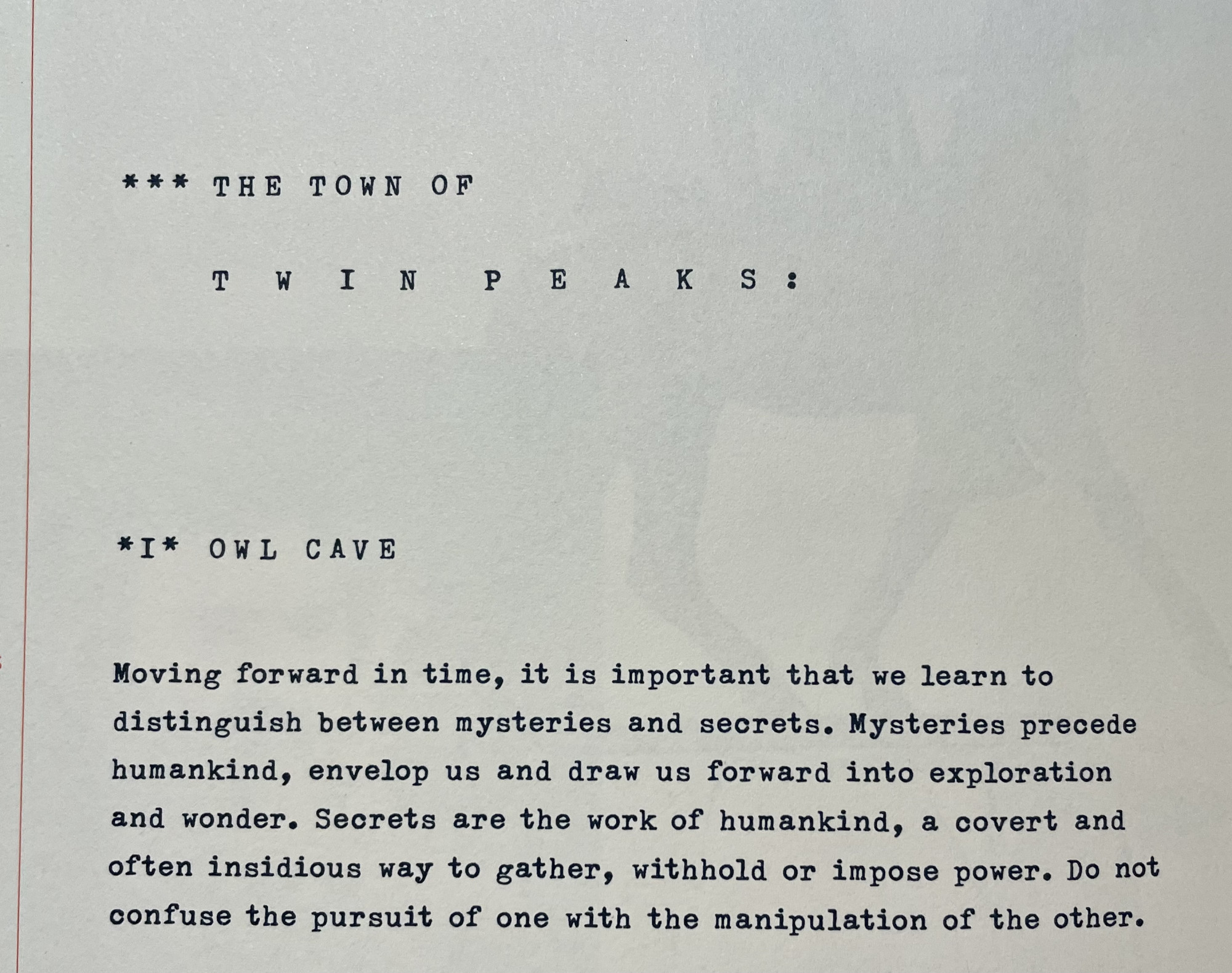
Mark Frost, The Secret History of Twin Peaks, p. 58
I don’t know what the white horse “means,” but I think its silhouette here resonates.
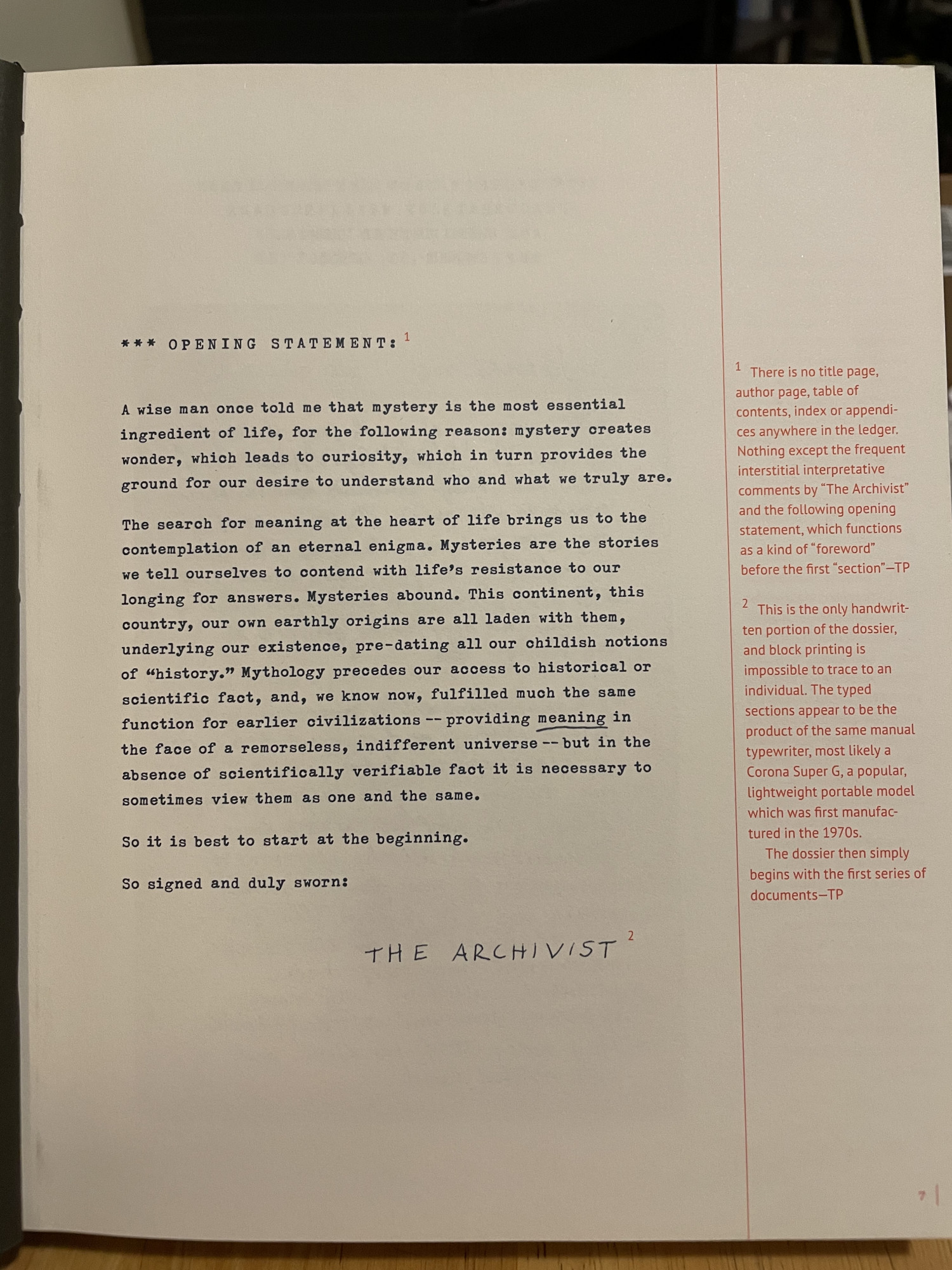
Mark Frost - The Secret History of Twin Peaks
yyyyyep
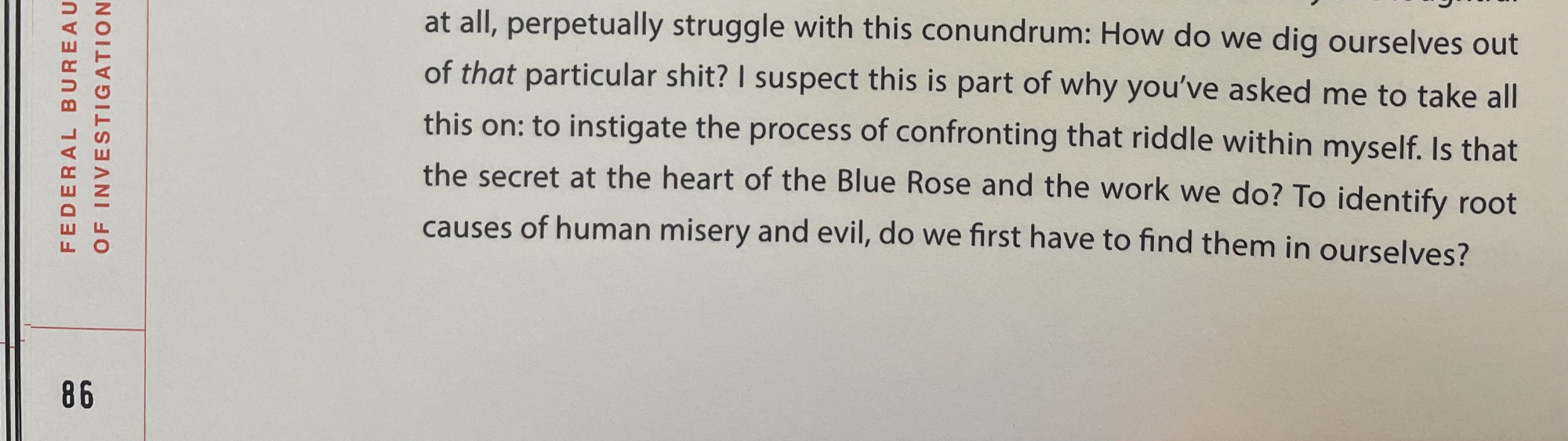
Mark Frost, Twin Peaks: The Final Dossier
I’ve taken in a LOT of media and analysis of Twin Peaks in the last month, and I think this points at one of the hearts of the project. Whether it succeeds, or how we would even know…? But I see this, especially in The Return and its emphasis on split natures, its brutal depiction of common suffering, and its insistent reminders that we are… dreaming? … and I’m trying to reconcile Lynch’s work with meditation and raising consciousness with the grimy, visceral nastiness visible in so much of his art. None of it seems to be reveling in darkness; when it shows true horror, we are not meant to be entertained. That violence is a rupture in the persistent possible sweetness of mundane coexistence. Appreciation for the quiet moment, the strange phrase, the loving smile. But we all have to pass through, for some reason, the monstrosity of puberty, to feel our minds and bodies warp and twist, overcome by unknown forces, hoping we come out the other side a decent person. Most people don’t, not immediately; it’s our burden to reflect, to study, to bend our branches back toward sunlight, away from blood and towards the rain.
But we have a massive, massive collective problem. An awful lot of people aren’t afforded the space and peace to do that reflection. Some ends are served by starving and prodding. Twin Peaks illustrates these conditions, again to varying degrees of success for any given person. And I think part of why they show us moments of goodness, but then land in confusion or horror, isn’t because that’s “the truth” or inescapable. I think it’s a splinter we’re meant to work out.
Or maybe it’s all bullshit, and I’m projecting. Either way, I like this train of thought, and the idea of making art with these intentions.
Electricity — Power — Shock — Thought
panic! at the disco — collar full
realllllly love this album, still. oh, show me your love!
bill wurtz - if the world doesn't end
I stare at my reflection to the bone.
Blurred eyes look back at me, full of blame and sympathy.
"So, so close."
from PROMETHEA, pictures I took in 2014:
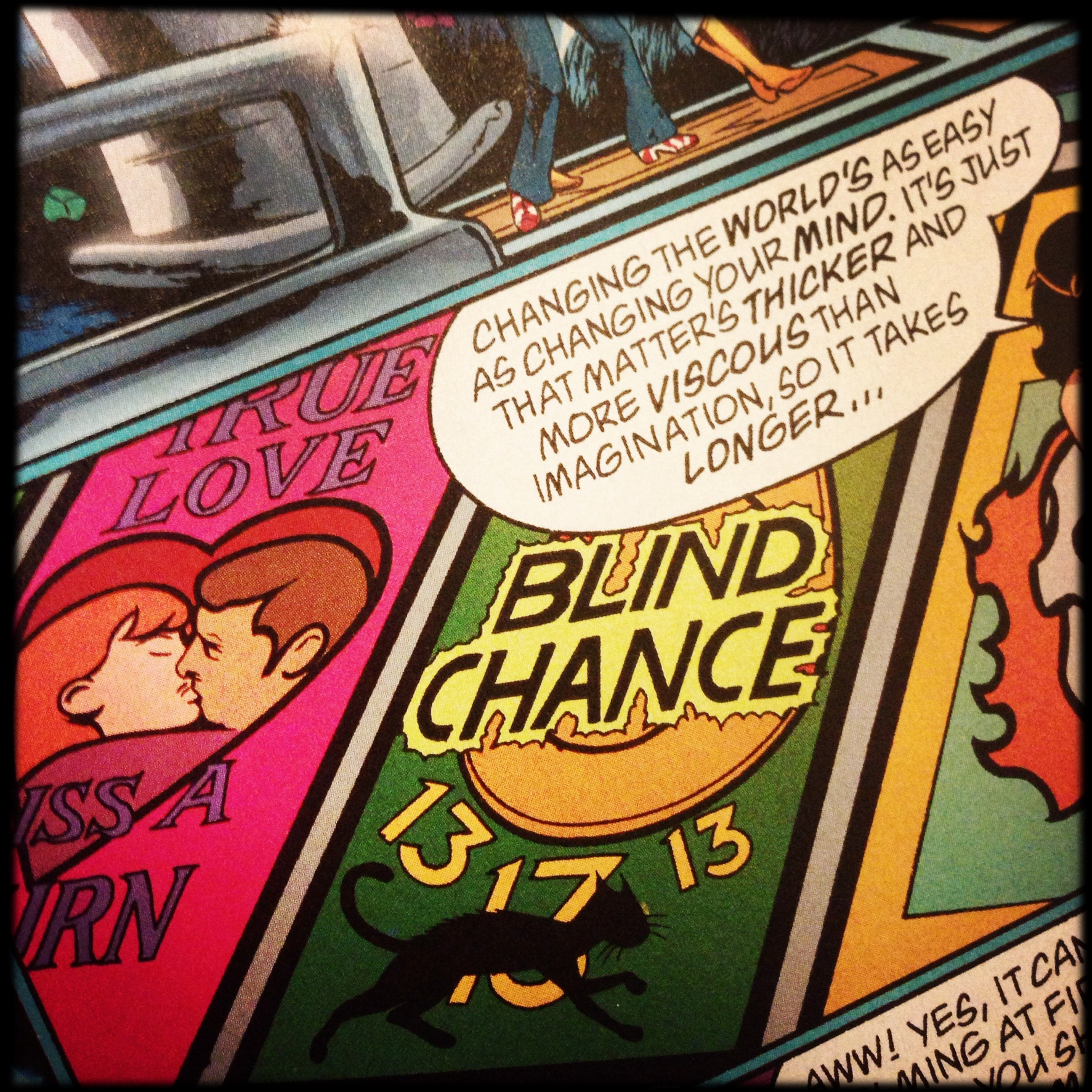
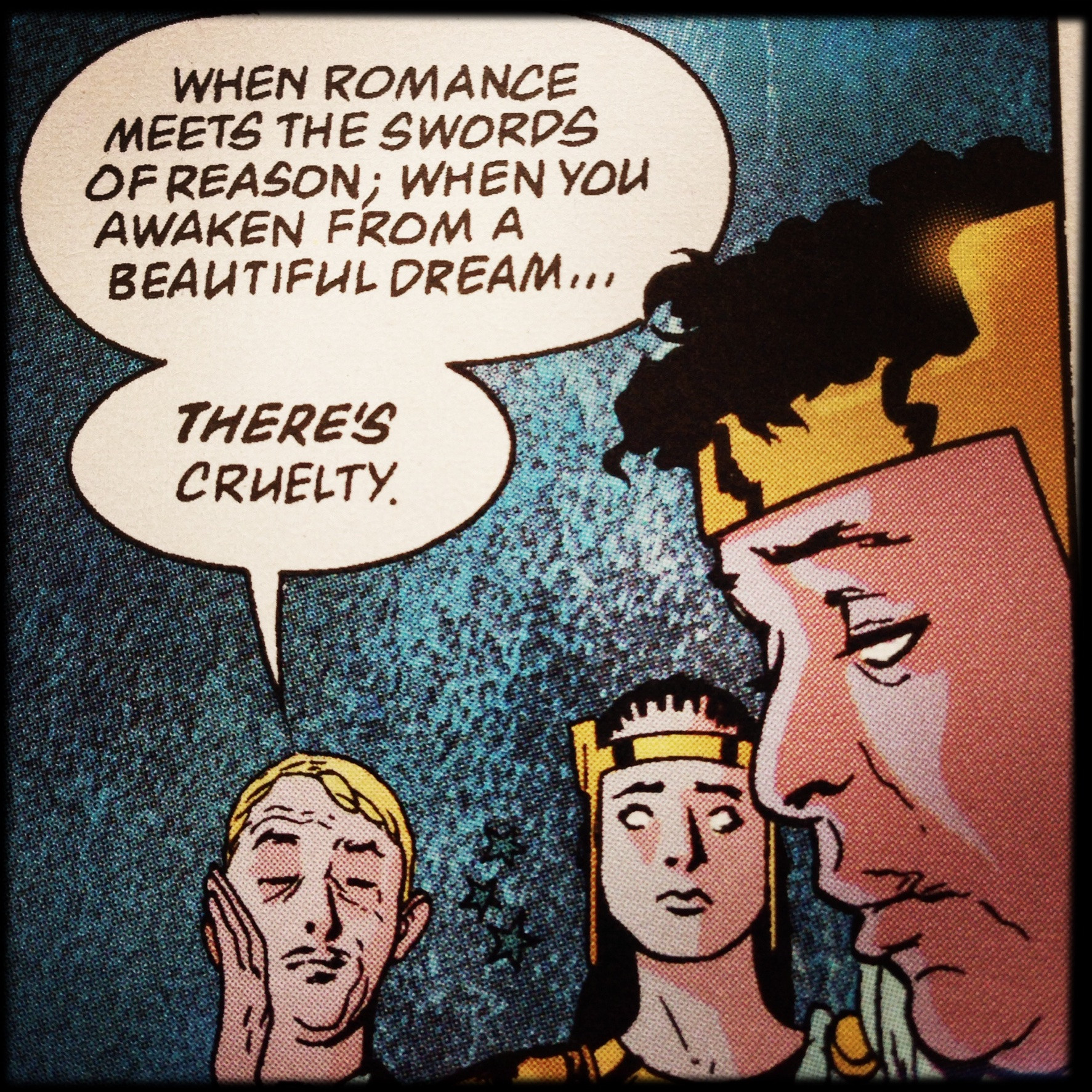
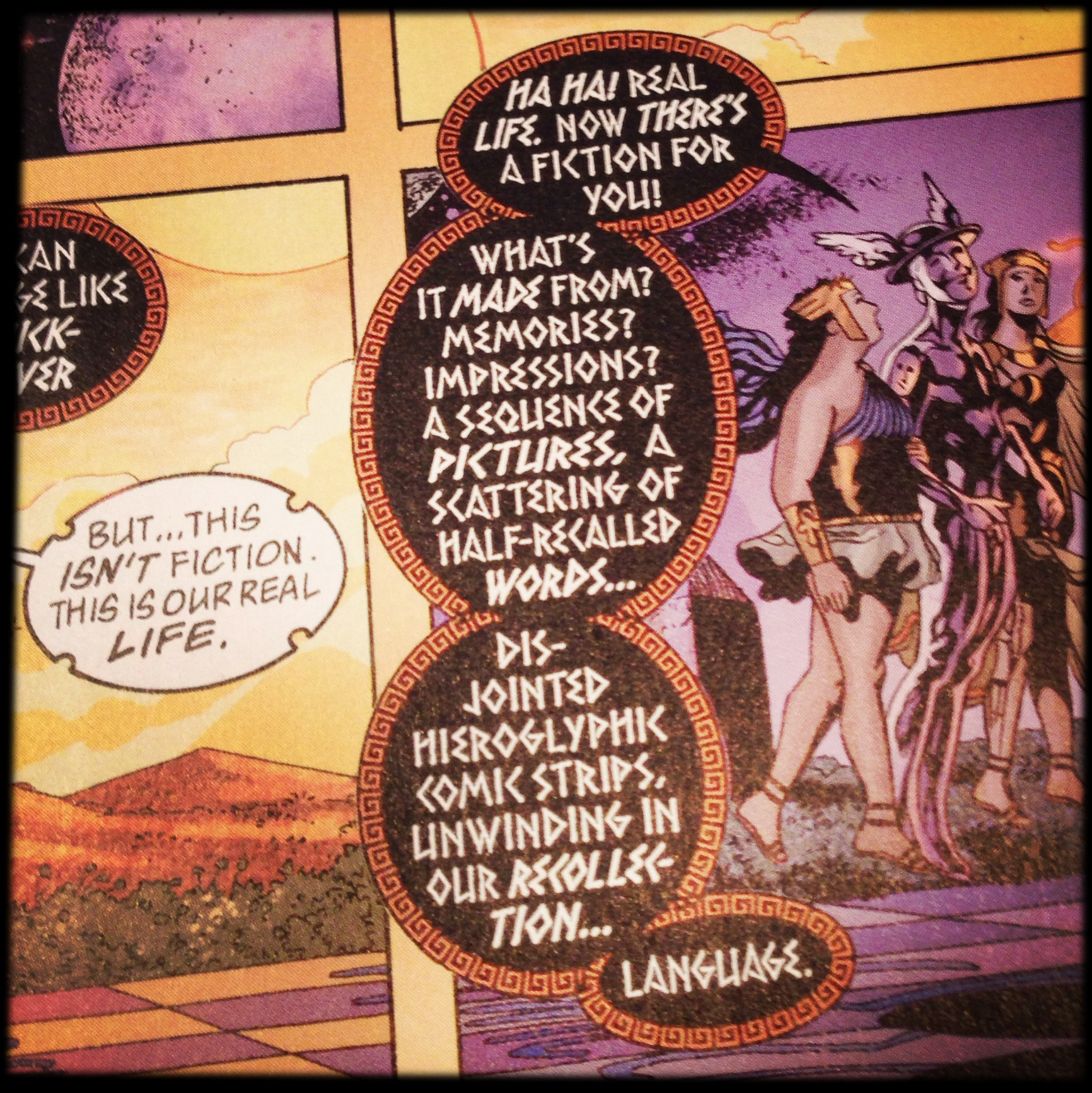
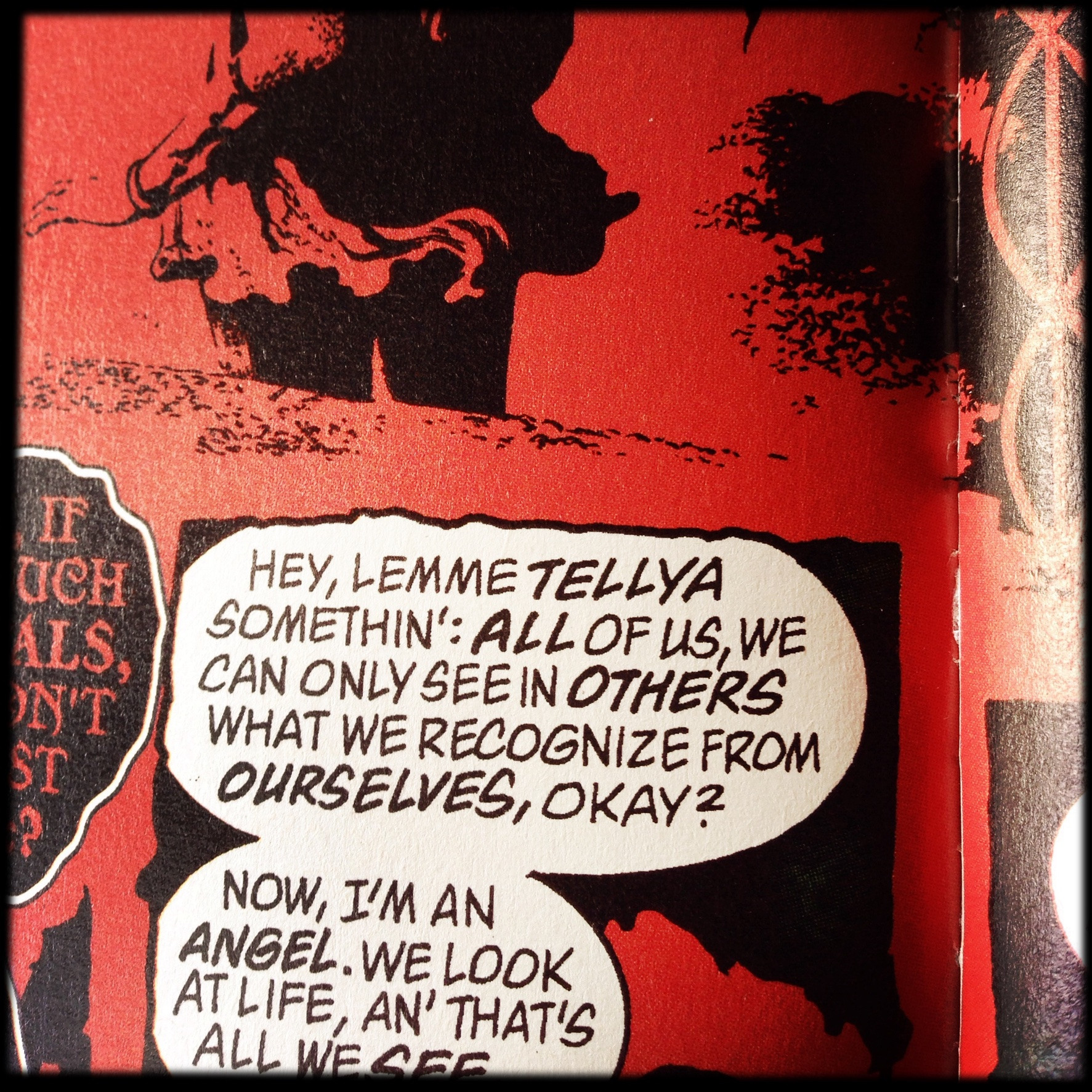
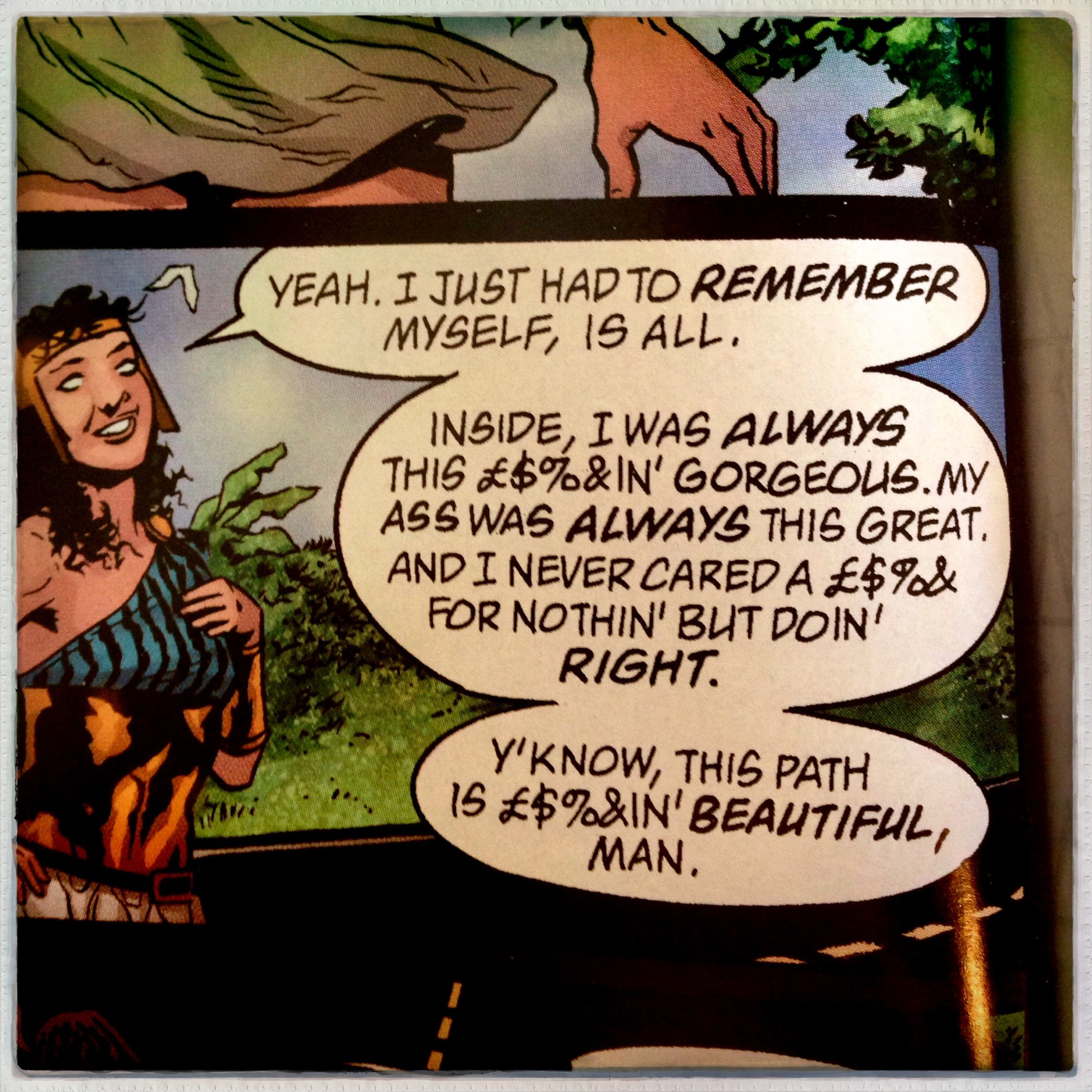
one of our most precious gifts is how we perceive. when everything feels sharp, it makes perfect sense to pull away, to seek shelter. looking back over my photos, I can see a progression just over the last ten years away from beauty, wonder, amusement, and love. I can tell my mind has become a less hospitable place for lighthearted and profound feelings.
there are infinite “reasons” for that. the world i inhabit became much, much more overtly cruel and difficult in that interval. several pillars of emotional and material support collapsed. and most pressingly, I can just see the gradual erosion of my well-being as years of financial hardship wore on, despite my best efforts. it’s been hard to live in this world, which made it harder and harder to live in this mind. I can’t overstate how important this awareness is, and how it should guide the way we treat people collectively. we have to create as much space for calm, pleasure, and safe reflection as we can.
I’m trying, and sometimes succeeding, to cultivate more of that space for myself. I feel unspeakable anguish over what I’ve lost, most acutely when viewing evidence of simple times that I used to enjoy so much. sitting at the Heirloom counter for a couple hours on a Sunday morning, back when I could afford that one treat and I reveled in it, when it was safe and comfortable to simply be among people in a small room, when the ideas flowing through me from books were alive and colorful and beautiful. when certain love was easy, before whatever happens to make it brittle.
I can see it fade and leave. some things will never come back. my losses are deeply personal, and also not the worst that can happen to a person. and even though it’s become so much harder, I maintain a capacity to laugh, play, explore, and seek beauty of all kinds. I don’t feel it as often. it’s excruciating to be aware of how I’ve changed that way.
but what we see can change. not only for the worse. how we see. it’s not a fixed point. it really can feel that way, especially during the worst times!!!
but I’m trying to remind and be reminded that things will change, and that I’m allowed to put a hand on the rudder.